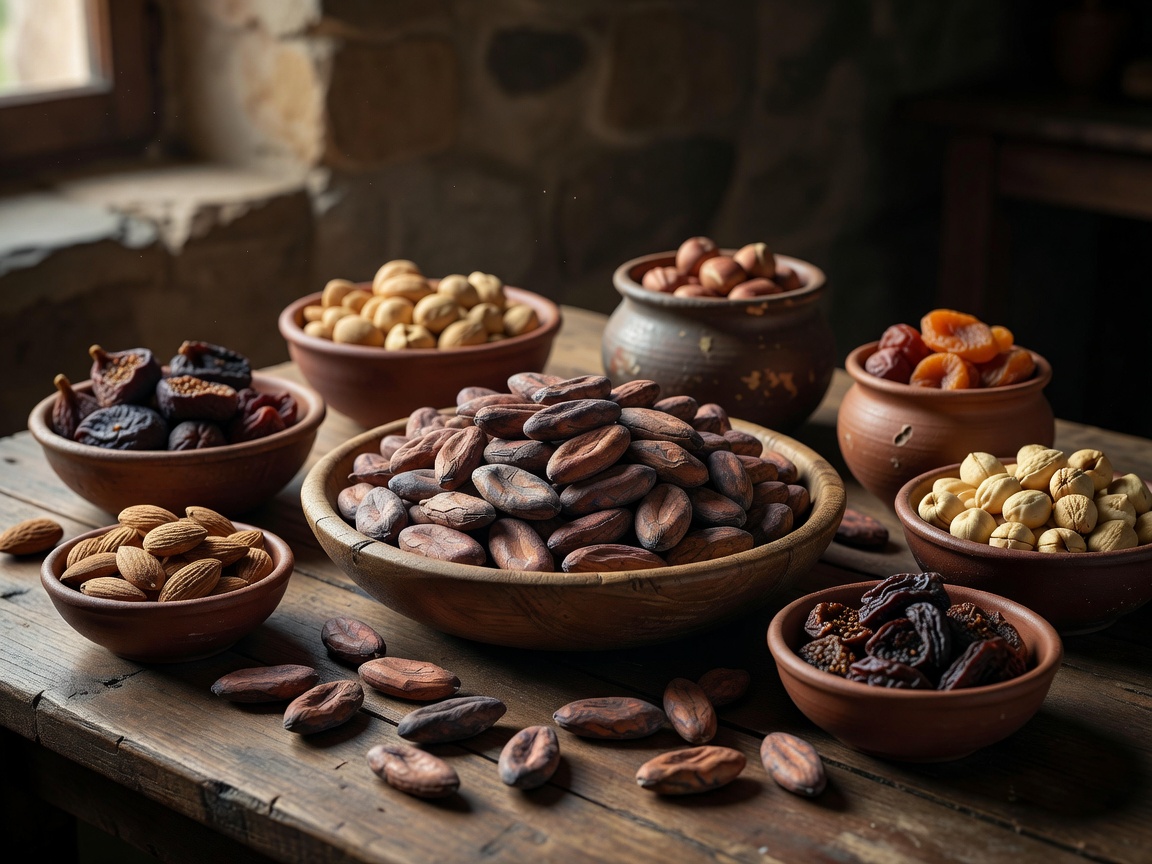
Cocoa solids and cocoa butter
Cocoa solids contribute much of chocolate’s characteristic cocoa flavor and color. Cocoa butter is the fat naturally present in cocoa and is used in chocolate to influence flow, melt and mouthfeel. A chocolate’s formulation combines ingredients in different proportions. Do not infer exact composition from color or taste alone; use the ingredient declaration or information supplied by the maker.
In tasting, cocoa character can seem roasted, earthy, nut-like, fruity or bitter. These are sensory descriptions, not guaranteed markers of a particular origin or process. A class may compare chocolates by recipe or style to demonstrate how the balance changes.
Sugar and milk ingredients
Sugar adds sweetness and helps balance bitter or aromatic notes. Its level and form affect how sweetness is perceived alongside cocoa. Milk ingredients can contribute dairy aroma, creaminess and a softer impression. Milk chocolate therefore differs not only in sweetness but also in texture and overall flavor balance.
White chocolate contains cocoa butter but does not contain cocoa solids in the same way dark and milk chocolate do. Its profile may be creamy, sweet or vanilla-like depending on the recipe. Ingredient terminology and labeling requirements can vary by jurisdiction, so refer to the product information rather than relying on a general description.
Nuts, fruit and fillings
Nuts may be whole, chopped, ground or incorporated into a smooth filling. Roasting can bring a more pronounced nut aroma; pieces add crunch, while finely ground nuts can create a dense or creamy texture. Hazelnut and almond are familiar pairings, but workshop recipes vary.
Fruit can be dried, candied, pureed or used in a filling. Dried fruit tends to add chew and concentrated sweetness; fruit centers may bring moisture and tartness. Raspberry with dark chocolate is a recognizable contrast. Citrus can brighten a creamy filling, while dried cherry can pair with roasted notes. These combinations are examples, not claims about a particular recipe.
Spices, vanilla, caramel, coffee and salt
Spices add aromatic notes that may be immediate or develop after tasting. Cinnamon suggests warmth; cardamom can feel floral and fragrant. Vanilla can soften or round a flavor impression. Caramelized ingredients bring toasted sweetness, while coffee can reinforce roasted notes. A small amount of salt can sharpen contrasts, though the effect depends on recipe and quantity.
These ingredients can appear in a shell, ganache, coating or topping. The method affects how distinctly a flavor comes through. In a workshop, compare a plain sample with an inclusion or filling to notice which sensations change.
Texture, appearance and finish
Ingredients influence more than taste. Cocoa butter contributes to melt and flow; nuts add crunch; fruit pieces create chew; fillings can be soft or firm. Milk and sugar influence a chocolate’s color and perceived sweetness. A garnish may add visual contrast, but appearance does not establish flavor quality.
The finish is the impression that remains after tasting. A nut, coffee or spice note may linger. Fruit can leave a brighter impression, while a creamy filling may feel rounder. Record observations separately from preference so that comparisons remain clear.
Allergens and ingredient checks
Common allergen categories relevant to chocolate include milk, peanuts, tree nuts, soy and cereals containing gluten, depending on the product and preparation. Recipes may also include sesame or other regulated allergens. Cross-contact can occur in shared production spaces. A flavor description is not a safety check.
Before tasting or booking, ask the organizer for current ingredient and allergen information, including how cross-contact is managed. Do not rely on a workshop’s ability to adapt unless it confirms that directly.
Good for: Tasting groups, ingredient-curious learners and anyone comparing plain chocolate with filled or inclusion-based pieces.
What to know: Use product declarations for precise ingredients. Sensory impressions cannot confirm an allergen, recipe or nutritional effect.
Related guides
Apply the ingredient lens
Compare aroma, texture and finish.
Use the tasting sequence to record what changes between samples.
Open the tasting guide