Belgian Chocolate Workshop Types
Compare introductory, hands-on, praline, truffle, tasting and group formats before choosing a session.
Format guideSkill levels
Compare workshop types Belgian Chocolate Workshop Atlas
A practical guide to chocolate workshops, making techniques, tasting, cocoa ingredients and planning. Learn what formats cover and what to check before booking.
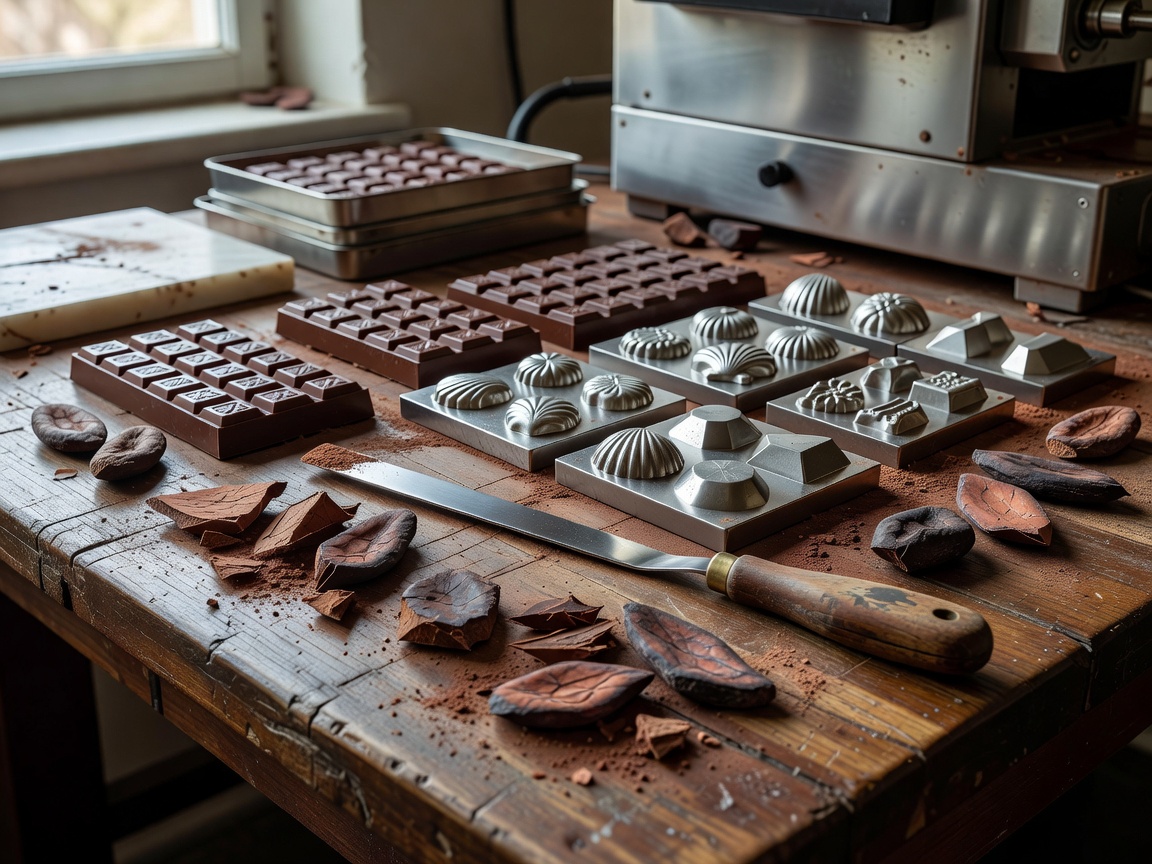
A workshop may focus on shaping, tasting, ingredients or several stages of chocolate work.
Five practical guides
Start with the format that fits your interests. Each guide explains the work, the variables and the questions worth asking.
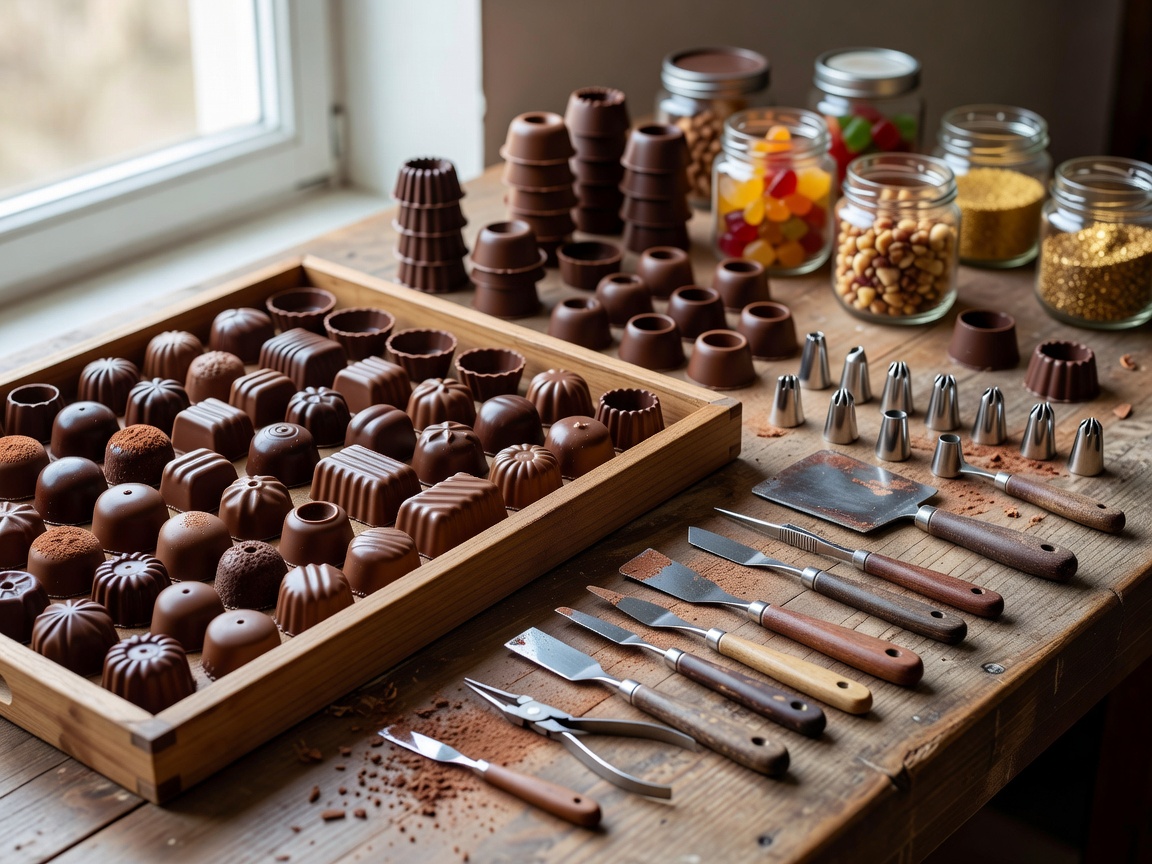
Compare introductory, hands-on, praline, truffle, tasting and group formats before choosing a session.
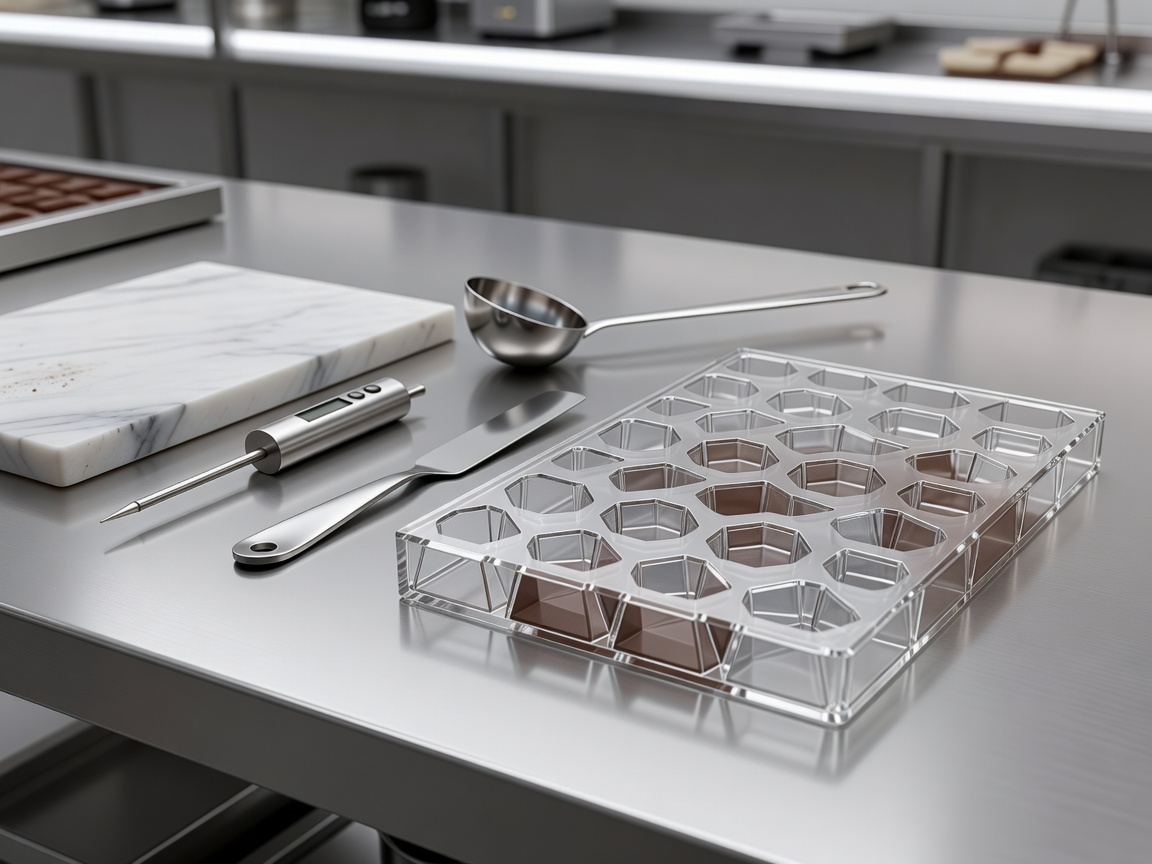
Understand tempering, shells, filling, dipping, ganache and finishing without treating a short class as professional training.
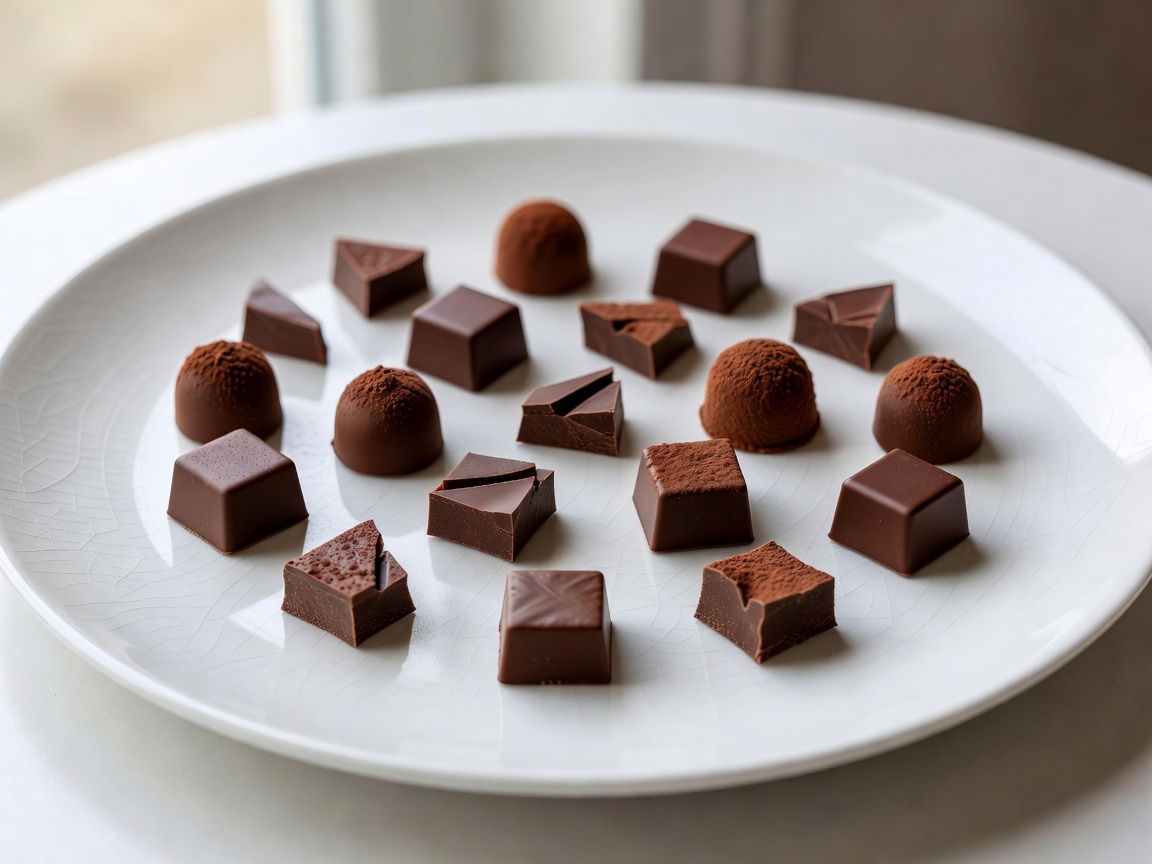
Use appearance, aroma, texture and finish to compare chocolate with a clear, repeatable tasting order.
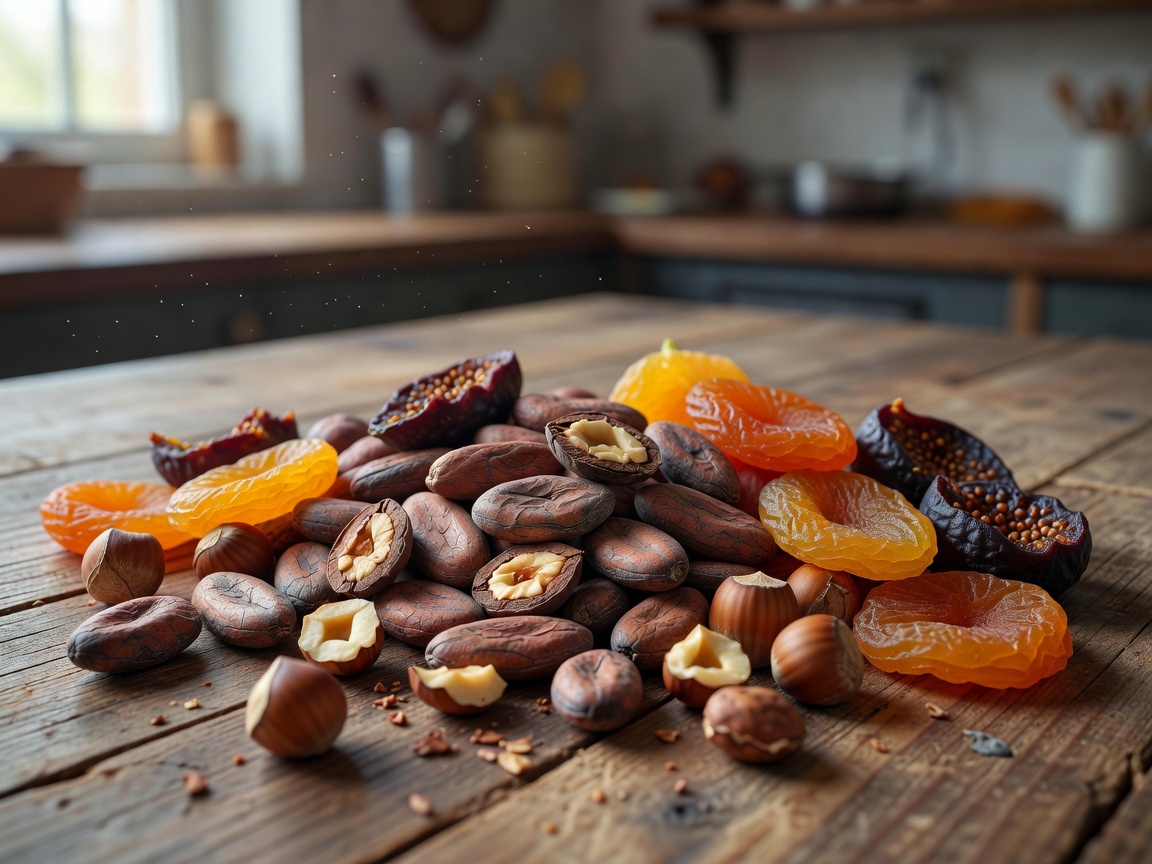
See how cocoa solids, cocoa butter, sugar, milk, nuts, fruit and spices influence a chocolate's character.
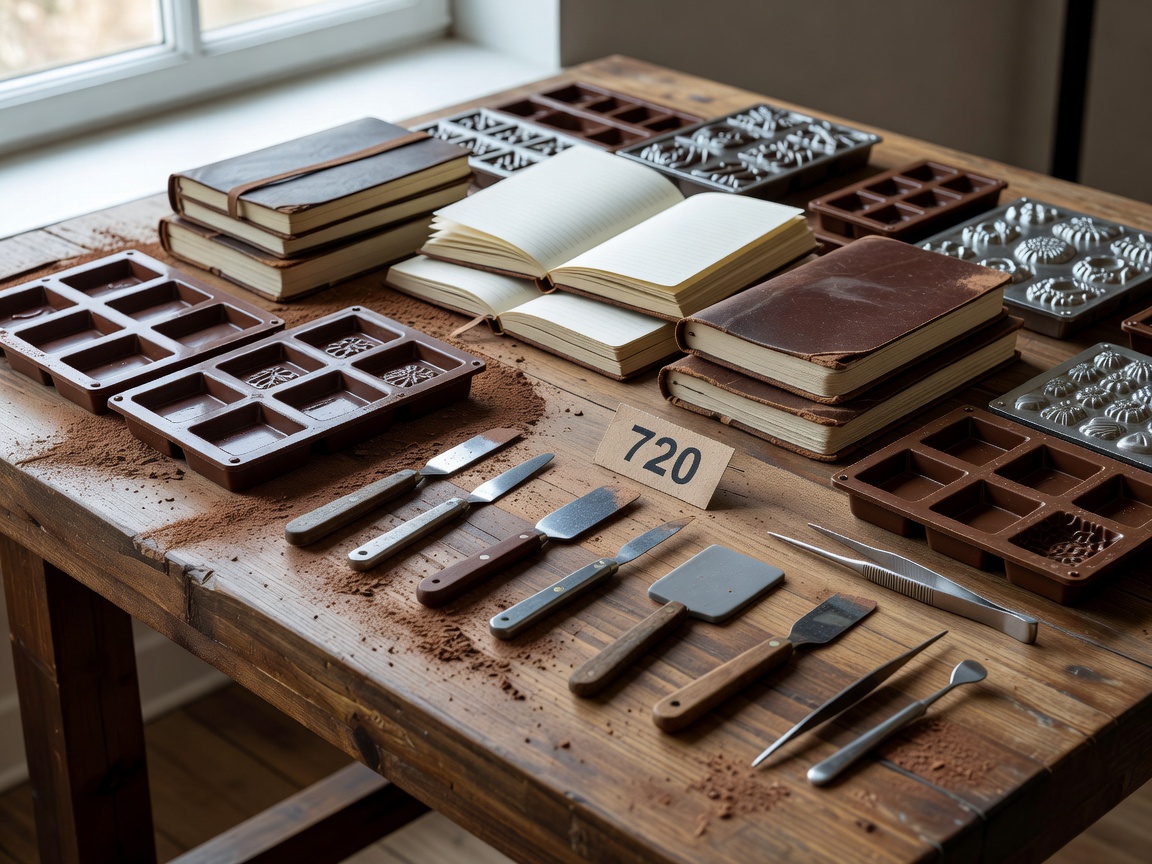
Plan around format, time, group needs, access, allergens, equipment and the details to confirm with a provider.
A simplified sequence
Workshops vary. Many teach selected stages rather than processing cocoa from the beginning.
Beans are the starting material for cocoa ingredients and chocolate.
Roasting develops aroma. The approach depends on the maker and material.
Grinding breaks material down and helps form a workable cocoa mass.
Refining reduces particle size and affects the finished texture.
Controlled handling prepares chocolate for a firm, glossy set.
Molding, filling, dipping or decoration completes a workshop piece.
Not every class includes every stage. Ask the organizer which steps participants will observe or perform.
Independent information
This site is an independent educational resource. It is not affiliated with chocolate makers, workshop providers or Belgian institutions. Dates, access, menus and class details can change; confirm them directly with the organizer.
Contact the site